How to use AI for brainstorming without cognitive decline
Case study: a custom chatbot for wedding planning

Hi friends,
It’s becoming clear that using chatbots can lead to cognitive decline. As someone who commented on one of my LinkedIn posts said:
Is it making me faster? Yes. Is it making me dumber? Also yes.
It’s not just user experience that reflects this impact. Research is stacking up as well. For example, a recent MIT study has even shown that using chatbots can lead to reduced brain activity. It happens when we offload our thinking to the chatbot, meaning that we ask the chatbot to do the task at hand instead of us, such as coming up with a list of ideas or generating an essay.
Unfortunately, offloading our thinking to chatbots is the common way to use them.
Fortunately, it’s not the only way to use them.
Today, I’ll show two better ways to use chatbots for a very basic and common task: brainstorming. To illustrate, I’ll use a real example from one of my clients, Emily Crookston, a business book ghostwriter who started a journey into wedding planning.
This is an application of the approach I developed to building with AI, which I call “the chef approach to AI.”
The Wedding Oracle: What Emily is creating
Emily wants to help people who want small weddings, don’t want the hassle, and want to tap into what they really want on their big day, rather than falling into the “shoulds” of the wedding world. The original vision was the “one hour wedding” chatbot, which would help someone make an entire wedding plan in one hour. We started by building a chatbot designed to help couples make just three key decisions: venue, vibe, and guest experience. That is the Wedding Oracle.
Offloading: The common way to use chatbots for brainstorming
Emily wanted the chatbot to come up with suggestions for the couple. This is essentially brainstorming. The common way to do this is to ask the chatbot for suggestions directly, like venue suggestions. The problem is that, even if the user adds context, the task is still offloaded to the chatbot. The user is not thinking deeply about what they want, not realizing any rough ideas they already have in their mind, not thinking it through, etc. Instead, the task is handed off to the chatbot.
Alternative 1: Guided questions
One better way to use chatbots for brainstorming is to have them ask us questions before coming up with the suggestions. This makes us dig more within ourselves and it results in more tailored suggestions. See my post from last week for more on this approach.
We tried this approach in the first version of the wedding oracle we built:
The user answers an intake question
The user gets and answers a series of targeted questions designed to dig deeper and bring out what they have in mind.
The chatbot makes suggestions based on the user’s input.
Both the questions and the final suggestions followed specialized guidelines that keep them tailored to the topic and Emily’s way of thinking.
We experimented with this chatbot for a while. It worked! The user was doing real brainstorming by themselves, and the thoughts were coming from them, not the bot.
But something didn’t feel right to Emily. The process felt too boring. Sure, it was less boring than filling out a form, but it was still just a list of questions, and the questions felt too leading. That disconnect led us to a different approach, inspired by tarot card readings.
Alternative 2: Visual reflection
Another way to brainstorm is by reflecting on images in relation to the question you have in mind. It’s similar in concept to a Rorschach test—you notice what you’re seeing in the image, and it makes you realize something about yourself.
Some people think of tarot card readings like this. You choose a card while thinking of a question and notice what comes up for you from the image. As a result, you think more deeply about your topic.
Emily wanted to try this approach for wedding brainstorming. This is the current version of the wedding oracle:
The user answers a few intake questions
The chatbot invites the user to choose one of three tarot-inspired cards without seeing their faces, just like in a tarot reading where the cards are facing down.
After choosing, the user sees the card’s face and gets a question to reflect on how it makes them think of the decision they’re trying to make.
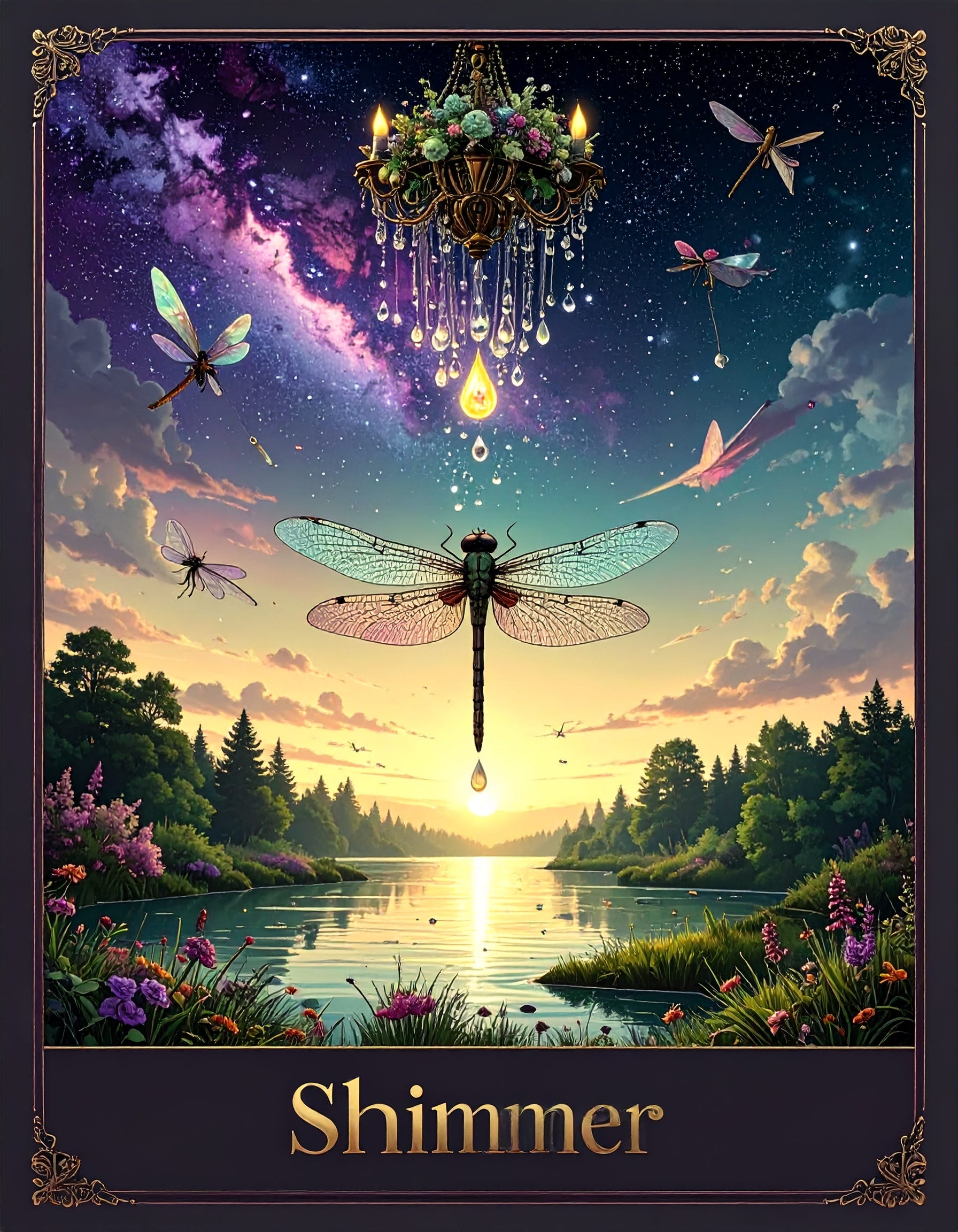
Emily set the whole vibe to feel like a tarot reading and she made the cards herself with AI. I added one below as an example.
Takeway
The message I want to drive home is that using chatbots doesn’t have to come at a cognitive cost. There are ways to get real value from them without offloading your thinking. We just need to proactively look for these ways.
If you want more inspiration from Emily’s case, you’re welcome to play with the Wedding Oracle, which is currently in beta mode. You are also welcome to watch this video where Emily explains her work from a focus group she ran to test her chatbot.
For more
If you’re interested in learning how to build AI tools with this approach:
Read my blog post about my approach to AI - the chef approach
Dessert
Here’s one of Emily’s tarot-inspired cards!